
₹15871
₹19438
(18% Off)
Inclusive of all taxes
Qty
Buying in bulk?

In Stock

Guaranteed Service

Free Home Delivery
above ₹199
Check Delivery
Enter pincode for exact delivery dates / charges and to know if express delivery is available
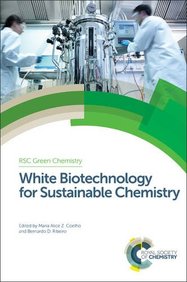
White Biotechnology for Sustainable Chemistry (RSC Green Chemistry)
Product Specifications
Book Description
White biotechnology is the use of enzymes and microorganisms in industrial
production through applied biocatalysis. This allows for milder reaction
conditions (pH and temperature) and the use of more environmentally-compatible
catalysts and solvents. This, in turn, leads to processes which are shorter,
generate less waste, making them both environmentally and economically more
attractive than conventional routes. This book describes the use of white
biotechnology within the sustainable chemistry concept, covering waste
minimization; the use of alternative solvents (supercritical fluids, pressurized
gases, ionic liquids and micellar systems) and energies (microwaves and
ultrasound); sustainable approaches for the production of fine and bulk
chemicals (aromas, polymers, pharmaceuticals and enzymes); the use of
Book Specifications
ISBN-13 9781849738163
Language English
Binding Hard Bound
Publisher Royal Society of Chemistry
Publishing Date 2015-11-30
Total Pages 487