
MRP: ₹4395
₹3630
₹ 765 Off
(Incl. of all taxes)
Qty
Buying in bulk?
In stock Only 2 left
Deliver to
- 7-day returns
- Secure payment
- International shipping
- Carefully packed
Get this at ₹ 3449Extra 5% OffAdd items worth ₹999 to the cart & get extra 5% off
Get this at ₹ 3267Extra 10% OffAdd items worth ₹1499 to the cart & get extra 10% off
Book Summary
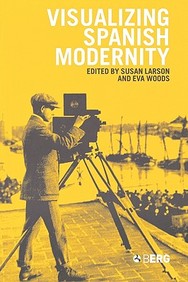
This book seeks to deepen an understanding of the often overlooked nature of
Spanish modernity by putting recent work on visual culture and modernity in a
specifically Spanish historical context. This volume examines how mass print
culture, early cinema, popular drama, photography, fashion, painting, museums
and urban planning played a role in the way that Spanish society saw itself and
was in turn seen by the rest of the world. The authors consider such subjects as
the spectacle of the body, notions of race and gender, the changing meanings of
time, space and motion, popular culture, and the celebration of the new.
- ISBN-13
- 9781859738061
- Language
- English
- Binding
- Paper Back
- Publisher
- Berg Publishers
- Publishing Date
- 2005-07-01
Visualizing Spanish Modernity
Frequently bought together

Total for 3 items₹3756₹4535You save ₹779
Product Specifications
Book Summary
This book seeks to deepen an understanding of the often overlooked nature of
Spanish modernity by putting recent work on visual culture and modernity in a
specifically Spanish historical context. This volume examines how mass print
culture, early cinema, popular drama, photography, fashion, painting, museums
and urban planning played a role in the way that Spanish society saw itself and
was in turn seen by the rest of the world. The authors consider such subjects as
the spectacle of the body, notions of race and gender, the changing meanings of
time, space and motion, popular culture, and the celebration of the new.
Book Specifications
- ISBN-13
- 9781859738061
- Language
- English
- Binding
- Paper Back
- Publisher
- Berg Publishers
- Publishing Date
- 2005-07-01