
MRP: ₹850
₹728
₹ 122 Off
(Incl. of all taxes)
Qty
Buying in bulk?
In stock
Deliver to
- 7-day returns
- Secure payment
- International shipping
- Carefully packed
Get this at ₹ 692Extra 5% OffAdd items worth ₹999 to the cart & get extra 5% off
Get this at ₹ 655Extra 10% OffAdd items worth ₹1499 to the cart & get extra 10% off
Book Summary
In India, the evils of the caste system have persisted for several thousand
years. It has bestowed hierarchically-graded privileges on some sections of
society while inflicting a series of disabilities on others. In this
hierarchical social order, created by the so-called 'higher' castes, the
downtrodden were even stripped of the equitable opportunities for social,
political, economic, and educational development. It is against this backdrop
that India's political leaders were compelled to adopt the policy of social
justice with an emphasis on compensatory discrimination as an equalizer to those
who were weak - socially and economically - and hence the reservation policy
came into being. This present study examines
- ISBN-13
- 9788131604755
- Language
- English
- Binding
- Hard Bound
- Publisher
- Rawat Publications
- Publishing Date
- 2012-03-01
- Total Pages
- 242
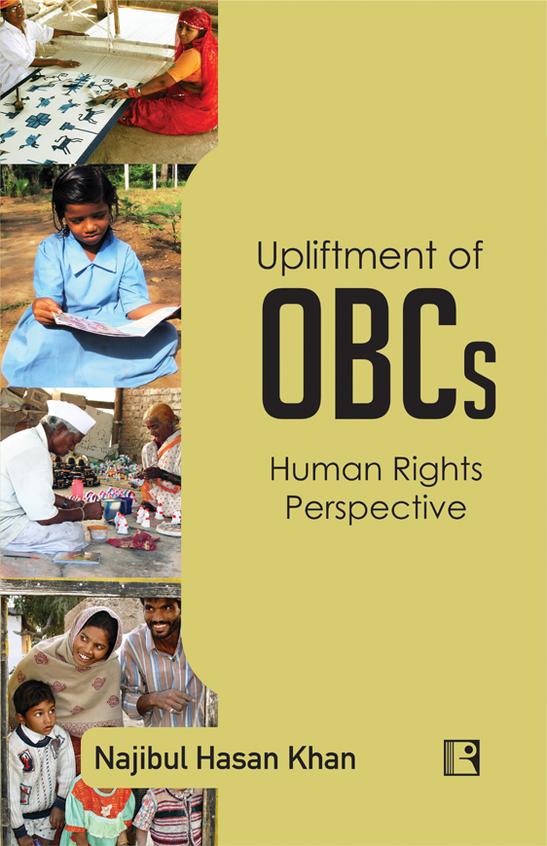
Upliftment of OBCs: Human Rights Perspective
by Najibul Hasan Khan (Author),
Rawat Publications (Publisher)
fictionfantasyyoung adultaward winning
Frequently bought together
Total for 3 items₹854₹990You save ₹136
Product Specifications
Book Summary
In India, the evils of the caste system have persisted for several thousand
years. It has bestowed hierarchically-graded privileges on some sections of
society while inflicting a series of disabilities on others. In this
hierarchical social order, created by the so-called 'higher' castes, the
downtrodden were even stripped of the equitable opportunities for social,
political, economic, and educational development. It is against this backdrop
that India's political leaders were compelled to adopt the policy of social
justice with an emphasis on compensatory discrimination as an equalizer to those
who were weak - socially and economically - and hence the reservation policy
came into being. This present study examines
Book Specifications
- ISBN-13
- 9788131604755
- Language
- English
- Binding
- Hard Bound
- Publisher
- Rawat Publications
- Publishing Date
- 2012-03-01
- Total Pages
- 242