
MRP: ₹20748
₹16920
₹ 3828 Off
(Incl. of all taxes)
Qty
Buying in bulk?
In stock
Deliver to
- 7-day returns
- Secure payment
- International shipping
- Carefully packed
Get this at ₹ 16074Extra 5% OffAdd items worth ₹999 to the cart & get extra 5% off
Get this at ₹ 15228Extra 10% OffAdd items worth ₹1499 to the cart & get extra 10% off
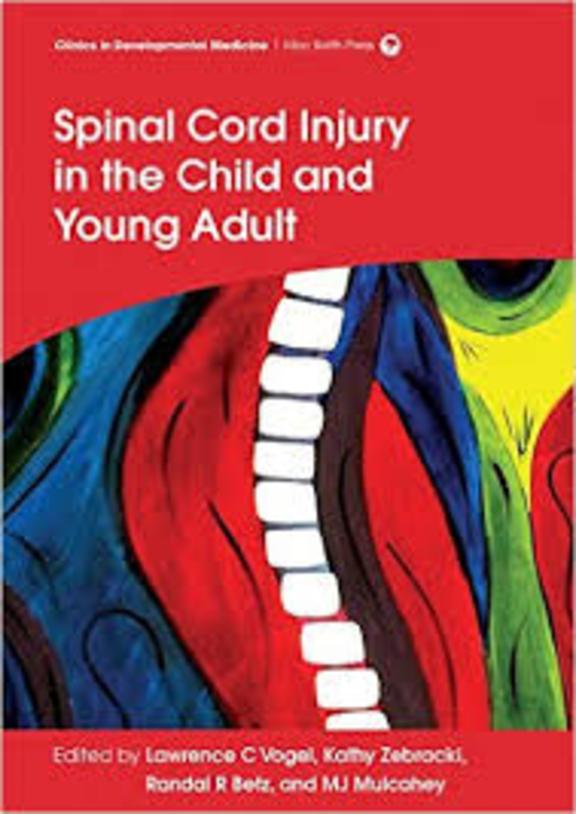
Book Summary
As compared to adult-onset spinal cord injury (SCI), individuals with
childhood-onset SCI are unique in several ways. First, as a result of their
younger age at injury and longer lifespan, individuals with pediatric-onset SCI
are particularly susceptible to long-term complications related to a sedentary
lifestyle, such as cardiovascular disease, and overuse syndromes, such as upper
extremity pain. Second, they experience complications, such as scoliosis and hip
dysplasia, which may affect them both during childhood and as adults.
Persons with pediatric-onset SCI also have unique developmental needs. They
experience the typical ongoing challenges of each developmental stage (e.g.,
childhood, adolescence) as well as changes owing to their SCI. Finally,
individuals
- ISBN-13
- 9781909962347
- Language
- English
- Binding
- Hard Bound
- Publisher
- Mac Keith Press
- Publishing Date
- 2015-01-27
- Total Pages
- 314
Spinal Cord Injury in the Child and Young Adult
Frequently bought together


Total for 3 items₹17046₹20888You save ₹3842
Product Specifications
Book Summary
As compared to adult-onset spinal cord injury (SCI), individuals with
childhood-onset SCI are unique in several ways. First, as a result of their
younger age at injury and longer lifespan, individuals with pediatric-onset SCI
are particularly susceptible to long-term complications related to a sedentary
lifestyle, such as cardiovascular disease, and overuse syndromes, such as upper
extremity pain. Second, they experience complications, such as scoliosis and hip
dysplasia, which may affect them both during childhood and as adults.
Persons with pediatric-onset SCI also have unique developmental needs. They
experience the typical ongoing challenges of each developmental stage (e.g.,
childhood, adolescence) as well as changes owing to their SCI. Finally,
individuals
Book Specifications
- ISBN-13
- 9781909962347
- Language
- English
- Binding
- Hard Bound
- Publisher
- Mac Keith Press
- Publishing Date
- 2015-01-27
- Total Pages
- 314