
MRP: ₹3006
₹2447
₹ 559 Off
(Incl. of all taxes)
Qty
Buying in bulk?
In stock Only 5 left
Deliver to
- 7-day returns
- Secure payment
- International shipping
- Carefully packed
Get this at ₹ 2325Extra 5% OffAdd items worth ₹999 to the cart & get extra 5% off
Get this at ₹ 2202Extra 10% OffAdd items worth ₹1499 to the cart & get extra 10% off
Book Summary
Contemporary social work cannot be understood without an appreciation of the
broader context of social policy in which it takes place. Such an understanding
is increasingly important as social workers are expected to work across
institutional, professional and even national boundaries in new ways profoundly
affected by the changing global context.
This insightful book examines how shifts in the dominant political ideology have
affected the nature of welfare provision, the kinds of social problems addressed
by policy, and the balance of responsibilities for well-being between
individuals, the family, voluntary organizations, the market and the state. It
explains the impact of these developments on the organization of social
- ISBN-13
- 9780745660837
- Language
- English
- Binding
- Paper Back
- Publisher
- Polity Press
- Publishing Date
- 2016-03-14
- Product Edition
- 1
- Total Pages
- 240
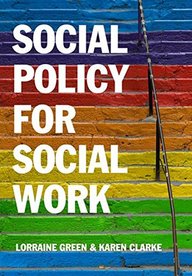
Social Policy For Social Work
by Lorraine Green, Karen Clarke (Author),
Polity Press (Publisher)
fictionfantasyyoung adultaward winning
Frequently bought together


Total for 3 items₹2573₹3146You save ₹573
Product Specifications
Book Summary
Contemporary social work cannot be understood without an appreciation of the
broader context of social policy in which it takes place. Such an understanding
is increasingly important as social workers are expected to work across
institutional, professional and even national boundaries in new ways profoundly
affected by the changing global context.
This insightful book examines how shifts in the dominant political ideology have
affected the nature of welfare provision, the kinds of social problems addressed
by policy, and the balance of responsibilities for well-being between
individuals, the family, voluntary organizations, the market and the state. It
explains the impact of these developments on the organization of social
Book Specifications
- ISBN-13
- 9780745660837
- Language
- English
- Binding
- Paper Back
- Publisher
- Polity Press
- Publishing Date
- 2016-03-14
- Product Edition
- 1
- Total Pages
- 240