
MRP: ₹795
₹705
₹ 90 Off
(Incl. of all taxes)
Qty
Buying in bulk?
In stock
Deliver to
- 7-day returns
- Secure payment
- International shipping
- Carefully packed
Get this at ₹ 670Extra 5% OffAdd items worth ₹999 to the cart & get extra 5% off
Get this at ₹ 635Extra 10% OffAdd items worth ₹1499 to the cart & get extra 10% off
Book Summary
Sheath rot (ShR) has been known almost for a century, but was restricted to
South East Asia and the Indian Subcontinent. Occurrence of the disease became
widespread in mid 1970s when the high yielding technology was introduced by
planting improved N-responsive cultivars. Today, ShR is a major constraint in
rice production in irrigated as well as rainfed, upland rice. The disease has
been reported in many rice growing countries and its spread causes concern
because of its transmission and dissemination. The causal fungi, Sarocladium
spp, have biological association with rice tungro virus, mites, stem-borers and
mealy bugs and therefore increases the ShR incidence as well as severe
- ISBN-13
- 9788170351634
- Language
- English
- Binding
- Hard Bound
- Publisher
- Daya Publishing House
- Publishing Date
- 1997
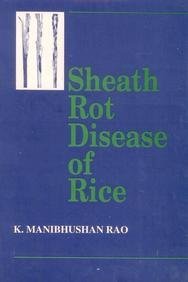
Sheath Rot Disease Of Rice
by K Manibhushan, Rao (Author),
Daya Publishing House (Publisher)
fictionfantasyyoung adultaward winning
Frequently bought together


Total for 3 items₹831₹935You save ₹104
Product Specifications
Book Summary
Sheath rot (ShR) has been known almost for a century, but was restricted to
South East Asia and the Indian Subcontinent. Occurrence of the disease became
widespread in mid 1970s when the high yielding technology was introduced by
planting improved N-responsive cultivars. Today, ShR is a major constraint in
rice production in irrigated as well as rainfed, upland rice. The disease has
been reported in many rice growing countries and its spread causes concern
because of its transmission and dissemination. The causal fungi, Sarocladium
spp, have biological association with rice tungro virus, mites, stem-borers and
mealy bugs and therefore increases the ShR incidence as well as severe
Book Specifications
- ISBN-13
- 9788170351634
- Language
- English
- Binding
- Hard Bound
- Publisher
- Daya Publishing House
- Publishing Date
- 1997