
MRP: ₹495
₹452
₹ 43 Off
(Incl. of all taxes)
Qty
Buying in bulk?
In stock
Deliver to
- 7-day returns
- Secure payment
- International shipping
- Carefully packed
Get this at ₹ 429Extra 5% OffAdd items worth ₹999 to the cart & get extra 5% off
Get this at ₹ 407Extra 10% OffAdd items worth ₹1499 to the cart & get extra 10% off
Book Summary
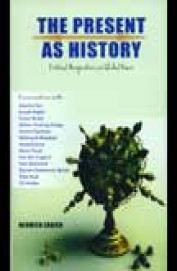
"The Present as History" is a rare opportunity to hear world-renowned scholars
speak on the new imperialism, feminism and human rights, secularism and Islam,
post-colonialism, and the global economy. They treat the United States as an
object to be historically and politically interrogated rather than as the norm
from which all else is to be evaluated and assess the Third World through its
history of colonialism and neocolonialism rather than focusing on issues of
culture and morality.
Amartya Sen discusses the shortcomings of the development agenda as it was
conceived at the close of the Second World War, while Joseph Stiglitz explains
economic globalization and the power of
- ISBN-13
- 9788189632175
- Language
- English
- Binding
- Hard Bound
- Publisher
- Stanza
- Publishing Date
- 2008
- Product Edition
- 1
Present As History
Frequently bought together
Total for 3 items₹578₹635You save ₹57
Product Specifications
Book Summary
"The Present as History" is a rare opportunity to hear world-renowned scholars
speak on the new imperialism, feminism and human rights, secularism and Islam,
post-colonialism, and the global economy. They treat the United States as an
object to be historically and politically interrogated rather than as the norm
from which all else is to be evaluated and assess the Third World through its
history of colonialism and neocolonialism rather than focusing on issues of
culture and morality.
Amartya Sen discusses the shortcomings of the development agenda as it was
conceived at the close of the Second World War, while Joseph Stiglitz explains
economic globalization and the power of
Book Specifications
- ISBN-13
- 9788189632175
- Language
- English
- Binding
- Hard Bound
- Publisher
- Stanza
- Publishing Date
- 2008
- Product Edition
- 1