
MRP: ₹495
₹452
₹ 43 Off
(Incl. of all taxes)
Qty
Buying in bulk?
In stock
Deliver to
- 7-day returns
- Secure payment
- International shipping
- Carefully packed
Get this at ₹ 429Extra 5% OffAdd items worth ₹999 to the cart & get extra 5% off
Get this at ₹ 407Extra 10% OffAdd items worth ₹1499 to the cart & get extra 10% off
Book Summary
About the Book: Political Thought in Ancient India
Ancient Indians were a highly organized polity, with awell-established worldview
of the Rajya (the State). And also ofits seven distinct organs: svamin (the
king), amatyas (theministers), janapada/rashtra (the territory and the
people),durgas/pura (the forts/capital), kosha (the treasury), danda/bala(the
army), and mitra tatha niti (the allies and inter-staterelations). In their
togetherness, these components of the stateled political ideologues to advance
the Theory of Saptanga: theseven limbs - each of which admitted varying emphases
with ancientscholars, according to the changing political situations or theirown
predilections. Besides traditional/semi-historical writings,the Saptanga Theory
of State finds recurring allusions in KautilyasArthashastra which, written
sometime about the fourth
- ISBN-13
- 9788124600016
- Language
- English
- Binding
- Hard Bound
- Publisher
- Dk Printworld (P) Ltd
- Publishing Date
- 1993-11-01
- Product Edition
- 1
- Total Pages
- 152
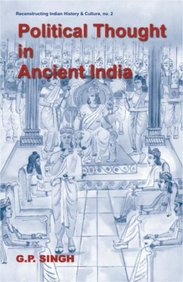
Political Thought In Ancient India
Frequently bought together


Total for 3 items₹578₹635You save ₹57
Product Specifications
Book Summary
About the Book: Political Thought in Ancient India
Ancient Indians were a highly organized polity, with awell-established worldview
of the Rajya (the State). And also ofits seven distinct organs: svamin (the
king), amatyas (theministers), janapada/rashtra (the territory and the
people),durgas/pura (the forts/capital), kosha (the treasury), danda/bala(the
army), and mitra tatha niti (the allies and inter-staterelations). In their
togetherness, these components of the stateled political ideologues to advance
the Theory of Saptanga: theseven limbs - each of which admitted varying emphases
with ancientscholars, according to the changing political situations or theirown
predilections. Besides traditional/semi-historical writings,the Saptanga Theory
of State finds recurring allusions in KautilyasArthashastra which, written
sometime about the fourth
Book Specifications
- ISBN-13
- 9788124600016
- Language
- English
- Binding
- Hard Bound
- Publisher
- Dk Printworld (P) Ltd
- Publishing Date
- 1993-11-01
- Product Edition
- 1
- Total Pages
- 152