
MRP: ₹1496
₹1216
₹ 280 Off
(Incl. of all taxes)
In stock
Deliver to
Enter your pincode to see dispatch dates
Free delivery above ₹199
Qty
- Secure payment
- International shipping
- Carefully packed
Book Summary
The Last of the Mohicans is the most widely-read and internationally acclaimed
of James Fenimore Cooper's Leatherstocking tales, and has traditionally been
regarded as an exciting and well-made adventure story. In recent years, however,
critics have found in this classic tale of colonial warfare deeper levels of
meaning. In the introduction to this volume, H. Daniel Peck studies these
developments by tracking critical responses to the novel from the time of its
publication in 1826 to the present day. The essays that follow present
contemporary reassessments of The Last of the Mohicans from a variety of
critical perspectives.
- ISBN-13
- 9780521377713
- Language
- English
- Binding
- Paper Back
- Publisher
- Cambridge University Press
- Publishing Date
- 1992-03-27
- Total Pages
- 153
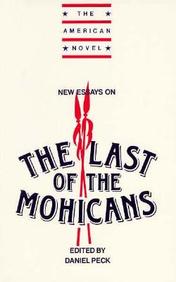
New Essays On "The Last Of The Mohicans"
Book Summary
The Last of the Mohicans is the most widely-read and internationally acclaimed
of James Fenimore Cooper's Leatherstocking tales, and has traditionally been
regarded as an exciting and well-made adventure story. In recent years, however,
critics have found in this classic tale of colonial warfare deeper levels of
meaning. In the introduction to this volume, H. Daniel Peck studies these
developments by tracking critical responses to the novel from the time of its
publication in 1826 to the present day. The essays that follow present
contemporary reassessments of The Last of the Mohicans from a variety of
critical perspectives.
Book Specifications
- ISBN-13
- 9780521377713
- Language
- English
- Binding
- Paper Back
- Publisher
- Cambridge University Press
- Publishing Date
- 1992-03-27
- Total Pages
- 153