
MRP: ₹1595
₹1288
₹ 307 Off
(Incl. of all taxes)
In stock
Deliver to
Enter your pincode to see dispatch dates
Free delivery above ₹199
Qty
- Secure payment
- International shipping
- Carefully packed
Book Summary
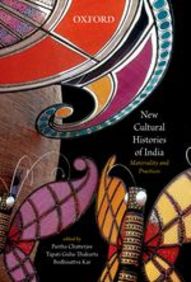
This book examines the new orientations in the writing of cultural histories of
India from the pre-colonial and early modern period into the postcolonial and
contemporary era. It analyses the "materialist" turn through wide-ranging
textual, visual, aural, ritual, and spatial resources like eighteenth-century
scribal literature in western India, art deco architecture in twentieth century
Calcutta, contemporary urban spaces, early illustrated Bengali almanacs,
circulating heads in Naga hills, football in Calcutta's politics, performance
and film-making studies in south India, and Mayawati's monuments in Lucknow. The
essays examine how recent interdisciplinary studies have enriched our
understanding of cultural pasts and presents. Providing an overview of the
popular and public manifestations of
- ISBN-13
- 9780198090373
- Language
- English
- Binding
- Hard Bound
- Publisher
- Oxford University Press
- Publishing Date
- 2014-07-08
- Product Edition
- 1
- Total Pages
- 480
New Cultural Histories Of India
Book Summary
This book examines the new orientations in the writing of cultural histories of
India from the pre-colonial and early modern period into the postcolonial and
contemporary era. It analyses the "materialist" turn through wide-ranging
textual, visual, aural, ritual, and spatial resources like eighteenth-century
scribal literature in western India, art deco architecture in twentieth century
Calcutta, contemporary urban spaces, early illustrated Bengali almanacs,
circulating heads in Naga hills, football in Calcutta's politics, performance
and film-making studies in south India, and Mayawati's monuments in Lucknow. The
essays examine how recent interdisciplinary studies have enriched our
understanding of cultural pasts and presents. Providing an overview of the
popular and public manifestations of
Book Specifications
- ISBN-13
- 9780198090373
- Language
- English
- Binding
- Hard Bound
- Publisher
- Oxford University Press
- Publishing Date
- 2014-07-08
- Product Edition
- 1
- Total Pages
- 480