
₹854
₹1000
(15% Off)
Inclusive of all taxes
Qty
Buying in bulk?

In Stock

Guaranteed Service

Free Home Delivery
above ₹199
Check Delivery
Enter pincode for exact delivery dates / charges and to know if express delivery is available
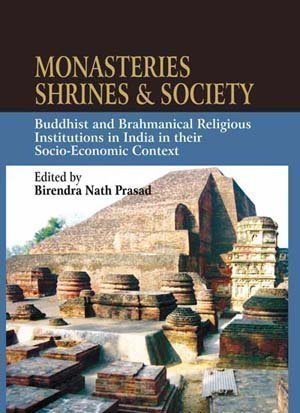
Monasteries Shrines and Society: Buddhist and Brahmanical Religious Institutions in India in their Socio-Economic Context
by B.N. Prasad (Author),
Manak Publications (Publisher)
Product Specifications
Book Description
For long, Indian Buddhist and Brahmanical religious institutions have generally
been studied from art-historical perspectives. This has resulted into a general
neglect of the contours of the vast functional matrices these institutions have
created or were parts thereof. Essays in this book attempt to explore the
functional roles of India Buddhist and Brahmanical religious institutions by
perceiving them as important constituents of the overall societal matrix: as
institutions in dynamic interactions with other societal institutions, acting
and reacting with them, influencing them and getting influenced by them in turn.
These institutions interacted with their socio-economic context in a variety of
ways. This book hope to be an endeavour
Book Specifications
ISBN-13 9788178312316
Language English
Binding Hard Bound
Publisher Manak Publications
Publishing Date 2010-12-01
Total Pages 345