
MRP: ₹1293
₹1070
₹ 223 Off
(Incl. of all taxes)
Qty
Buying in bulk?
In stock
Deliver to
- 7-day returns
- Secure payment
- International shipping
- Carefully packed
Get this at ₹ 1017Extra 5% OffAdd items worth ₹999 to the cart & get extra 5% off
Get this at ₹ 963Extra 10% OffAdd items worth ₹1499 to the cart & get extra 10% off
Book Summary
Peasant societies in many parts of the world regulate their relationship with
the natural environment through earth gods who anchor a group of families not in
genealogical terms, as in the case of ancestors, but in ecological terms. The
articles in this volume illustrate the role of, and the cultural activities
surrounding, the earth gods in rural communities in Asian societies. More
specifically, they show that, within the Asian context, it is possible to
differentiate between two modes representing the earth gods and the relationship
with nature, i.e., one that corresponds to state societies and the other to
tribal ones.
- ISBN-13
- 9781571811219
- Language
- English
- Binding
- Paper Back
- Publisher
- Berghahn Books
- Publishing Date
- 1996-11-01
- Total Pages
- 172
The Link With Nature and Divine Mediations in Asia (Diogenes, No 174)
Frequently bought together
 The Link With Nature and Divine Mediations in Asia (Diogenes, No 174)₹1070This item
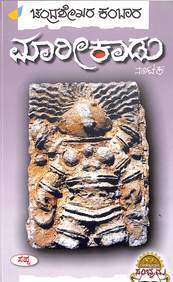 Maarikaadu₹63
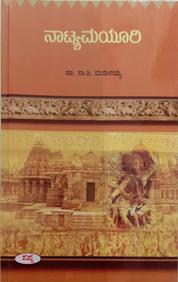 Natyamayuri₹63
Total for 3 items₹1196₹1433You save ₹237
Product Specifications
Book Summary
Peasant societies in many parts of the world regulate their relationship with
the natural environment through earth gods who anchor a group of families not in
genealogical terms, as in the case of ancestors, but in ecological terms. The
articles in this volume illustrate the role of, and the cultural activities
surrounding, the earth gods in rural communities in Asian societies. More
specifically, they show that, within the Asian context, it is possible to
differentiate between two modes representing the earth gods and the relationship
with nature, i.e., one that corresponds to state societies and the other to
tribal ones.
Book Specifications
- ISBN-13
- 9781571811219
- Language
- English
- Binding
- Paper Back
- Publisher
- Berghahn Books
- Publishing Date
- 1996-11-01
- Total Pages
- 172