
MRP: ₹2327
₹1887
₹ 440 Off
(Incl. of all taxes)
Qty
Buying in bulk?
In stock
Deliver to
- 7-day returns
- Secure payment
- International shipping
- Carefully packed
Get this at ₹ 1793Extra 5% OffAdd items worth ₹999 to the cart & get extra 5% off
Get this at ₹ 1698Extra 10% OffAdd items worth ₹1499 to the cart & get extra 10% off
Book Summary
Many modern scholars of Chinese history, and many Chinese intellectuals
throughout the twentieth century, have charged neo-Confucianism with laying the
ideological foundations for the growth of autocracy in China. They have
especially condemned neo-Confucian political thinkers of the Northern Sung
dynasty (960-1127) who promoted a policy of "revering the emperor and expelling
the barbarian" (tsun-wang jang-i), accusing them of having advocated a doctrine
of unconditional obedience to the ruler and thereby inhibiting the rise of
democracy in China. In Limits to Autocracy Alan T. Wood leads readers to a
reconsideration of this prevalent view by arguing that Sung neo-Confucianists
did not intend to enhance the power of the
- ISBN-13
- 9780824817039
- Language
- English
- Binding
- Hard Bound
- Publisher
- Univ of Hawaii Pr
- Publishing Date
- 1995-08-01
- Total Pages
- 272
Limits To Autocracy: From Sung Neo-Confucianism To A Doctrine Of Political Rights
Frequently bought together
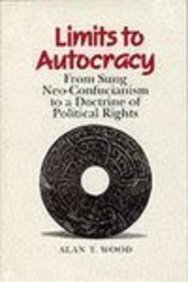 Limits To Autocracy: From Sung Neo-Confucianism To A Doctrine Of Political Rights₹1887This item
 Maarikaadu₹63
 Natyamayuri₹63
Total for 3 items₹2013₹2467You save ₹454
Product Specifications
Book Summary
Many modern scholars of Chinese history, and many Chinese intellectuals
throughout the twentieth century, have charged neo-Confucianism with laying the
ideological foundations for the growth of autocracy in China. They have
especially condemned neo-Confucian political thinkers of the Northern Sung
dynasty (960-1127) who promoted a policy of "revering the emperor and expelling
the barbarian" (tsun-wang jang-i), accusing them of having advocated a doctrine
of unconditional obedience to the ruler and thereby inhibiting the rise of
democracy in China. In Limits to Autocracy Alan T. Wood leads readers to a
reconsideration of this prevalent view by arguing that Sung neo-Confucianists
did not intend to enhance the power of the
Book Specifications
- ISBN-13
- 9780824817039
- Language
- English
- Binding
- Hard Bound
- Publisher
- Univ of Hawaii Pr
- Publishing Date
- 1995-08-01
- Total Pages
- 272