
MRP: ₹3102
₹2449
₹ 653 Off
(Incl. of all taxes)
Qty
Buying in bulk?
In stock
Deliver to
- 7-day returns
- Secure payment
- International shipping
- Carefully packed
Get this at ₹ 2327Extra 5% OffAdd items worth ₹999 to the cart & get extra 5% off
Get this at ₹ 2204Extra 10% OffAdd items worth ₹1499 to the cart & get extra 10% off
Book Summary
Based on case studies of four organizations that were sued for pay
discrimination, Legalizing Gender Inequality challenges existing theories of
gender inequality within economic, sociological, and legal contexts. The book
argues that male-female earnings differentials cannot be explained adequately by
market forces, principles of efficiency, or society-wide sexism. Rather it
suggests that employing organizations tend to disadvantage holders of
predominantly female jobs by denying them power in organizational politics and
reproducing male cultural advantages. The book argues that the courts have, by
uncritically accepting the market explanation for wage disparity, tended to
legitimate and to legalize a crucial dimension of gender inequality.
- ISBN-13
- 9780521627504
- Language
- English
- Binding
- Paper Back
- Publisher
- Cambridge University Press
- Publishing Date
- 1999-05-28
- Product Edition
- First THUS Edition
- Total Pages
- 410
Legalizing Gender Inequality - Courts, Markets And Unequal Pay F
Frequently bought together
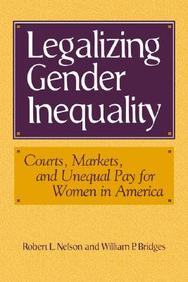 Legalizing Gender Inequality - Courts, Markets And Unequal Pay F₹2449This item
 Maarikaadu₹63
 Natyamayuri₹63
Total for 3 items₹2575₹3242You save ₹667
Product Specifications
Book Summary
Based on case studies of four organizations that were sued for pay
discrimination, Legalizing Gender Inequality challenges existing theories of
gender inequality within economic, sociological, and legal contexts. The book
argues that male-female earnings differentials cannot be explained adequately by
market forces, principles of efficiency, or society-wide sexism. Rather it
suggests that employing organizations tend to disadvantage holders of
predominantly female jobs by denying them power in organizational politics and
reproducing male cultural advantages. The book argues that the courts have, by
uncritically accepting the market explanation for wage disparity, tended to
legitimate and to legalize a crucial dimension of gender inequality.
Book Specifications
- ISBN-13
- 9780521627504
- Language
- English
- Binding
- Paper Back
- Publisher
- Cambridge University Press
- Publishing Date
- 1999-05-28
- Product Edition
- First THUS Edition
- Total Pages
- 410