
MRP: ₹2521
₹2028
₹ 493 Off
(Incl. of all taxes)
Qty
Buying in bulk?
In stock
Deliver to
- 7-day returns
- Secure payment
- International shipping
- Carefully packed
Get this at ₹ 1927Extra 5% OffAdd items worth ₹999 to the cart & get extra 5% off
Get this at ₹ 1825Extra 10% OffAdd items worth ₹1499 to the cart & get extra 10% off
Book Summary
The bilingual relationship between the English and the Indian vernaculars has
long been crucial to the construction of ideology as well as cultural and
political hierarchies. Print was vital for colonial literacy; it was thereby
instrumental in initiating a shift in the relation between 'high' and 'low'
languages. Here, Dr Naregal examines the relationship between linguistic
hierarchies, textual practices and power in colonial western India. Whereas most
studies of colonialism focus on India's 'high' literary culture, this book looks
at how local intellectuals exploited their 'middling' position through such
initiatives as the establishment of newspapers and of influential channels of
communication.
How were the 'native' intelligentsia able to
- ISBN-13
- 9781843310556
- Language
- English
- Binding
- Paper Back
- Publisher
- Anthem Press
- Publishing Date
- 2002-03-01
- Product Edition
- New ed
- Total Pages
- 312
Language, Politics, Elites And The Public Sphere: Western India Under Colonialism
Frequently bought together
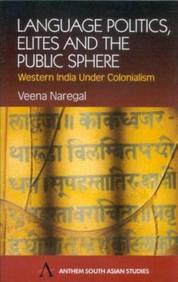 Language, Politics, Elites And The Public Sphere: Western India Under Colonialism₹2028This item
 Maarikaadu₹63
 Natyamayuri₹63
Total for 3 items₹2154₹2661You save ₹507
Product Specifications
Book Summary
The bilingual relationship between the English and the Indian vernaculars has
long been crucial to the construction of ideology as well as cultural and
political hierarchies. Print was vital for colonial literacy; it was thereby
instrumental in initiating a shift in the relation between 'high' and 'low'
languages. Here, Dr Naregal examines the relationship between linguistic
hierarchies, textual practices and power in colonial western India. Whereas most
studies of colonialism focus on India's 'high' literary culture, this book looks
at how local intellectuals exploited their 'middling' position through such
initiatives as the establishment of newspapers and of influential channels of
communication.
How were the 'native' intelligentsia able to
Book Specifications
- ISBN-13
- 9781843310556
- Language
- English
- Binding
- Paper Back
- Publisher
- Anthem Press
- Publishing Date
- 2002-03-01
- Product Edition
- New ed
- Total Pages
- 312