
MRP: ₹609
₹579
₹ 30 Off
(Incl. of all taxes)
Qty
Buying in bulk?
In stock
Deliver to
- 7-day returns
- Secure payment
- International shipping
- Carefully packed
Get this at ₹ 550Extra 5% OffAdd items worth ₹999 to the cart & get extra 5% off
Get this at ₹ 521Extra 10% OffAdd items worth ₹1499 to the cart & get extra 10% off
Book Summary
Key Features
Provides comprehensive coverage of information theory elements implied in modern
computer vision and pattern recognition (CVPR) algorithms Introduces information
theory to researchers in CVPR Additionally, introduces interesting CVPR problems
to information theorists Information Theory (IT) can be highly effective for
formulating and designing algorithmic solutions to many problems in Computer
Vision and Pattern Recognition (CVPR).About the Book: Information Theory in
Computer Vision and Pattern Recognition
This text introduces and explores the measures, principles, theories, and
entropy estimators from IT underlying modern CVPR algorithms, providing
comprehensive coverage of the subject through an incremental complexity
approach. The authors formulate the main CVPR problems and present the most
representative algorithms. In addition,
- ISBN-13
- 9788132204466
- Language
- English
- Binding
- Paper Back
- Publisher
- Apress / Springer (India) Pvt Ltd
- Product Edition
- 1
- Total Pages
- 412
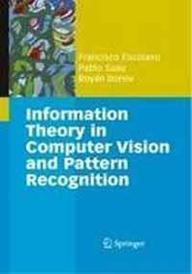
Information Theory In Computer Vision & Pattern Recognition
by Escolano Ruiz (Author),
Apress / Springer (India) Pvt Ltd (Publisher)
fictionfantasyyoung adultaward winning
Frequently bought together


Total for 3 items₹705₹749You save ₹44
Product Specifications
Book Summary
Key Features
Provides comprehensive coverage of information theory elements implied in modern
computer vision and pattern recognition (CVPR) algorithms Introduces information
theory to researchers in CVPR Additionally, introduces interesting CVPR problems
to information theorists Information Theory (IT) can be highly effective for
formulating and designing algorithmic solutions to many problems in Computer
Vision and Pattern Recognition (CVPR).About the Book: Information Theory in
Computer Vision and Pattern Recognition
This text introduces and explores the measures, principles, theories, and
entropy estimators from IT underlying modern CVPR algorithms, providing
comprehensive coverage of the subject through an incremental complexity
approach. The authors formulate the main CVPR problems and present the most
representative algorithms. In addition,
Book Specifications
- ISBN-13
- 9788132204466
- Language
- English
- Binding
- Paper Back
- Publisher
- Apress / Springer (India) Pvt Ltd
- Product Edition
- 1
- Total Pages
- 412