
MRP: ₹3232
₹2543
₹ 689 Off
(Incl. of all taxes)
Qty
Buying in bulk?
In stock
Deliver to
- 7-day returns
- Secure payment
- International shipping
- Carefully packed
Get this at ₹ 2416Extra 5% OffAdd items worth ₹999 to the cart & get extra 5% off
Get this at ₹ 2289Extra 10% OffAdd items worth ₹1499 to the cart & get extra 10% off
Book Summary
This interdisciplinary study examines how the narratives and discourses of
travel reveal the ways in which the colonial encounter created linked, yet
distinct, constructs of nation and gender. It explores the impact of this
encounter on English and Indian men and women. Looking at England, the author
draws on 19th-century aesthetics, landscape art and debates about women's
suffrage and working-class education, in order to show how all social classes,
not only the privileged, were educated and influenced by imperialist travel
narratives. By examining different forms of Indian travel to the West and
focusing on forms of modernity offered by colonial notions of travel, she
explores how Indian men
- ISBN-13
- 9780718500641
- Language
- English
- Binding
- Paper Back
- Publisher
- Leicester University Press
- Publishing Date
- 1996
- Total Pages
- 288
Home And Harem: Nation, Gender, Empire And The Culture Of Travel
by Inderpal Grewal (Author),
Leicester University Press (Publisher)
fictionfantasyyoung adultaward winning
Frequently bought together
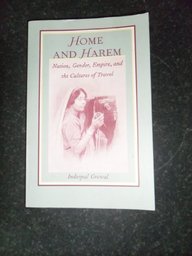 Home And Harem: Nation, Gender, Empire And The Culture Of Travel₹2543This item
 Maarikaadu₹63
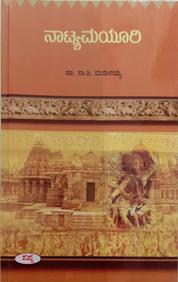 Natyamayuri₹63
Total for 3 items₹2669₹3372You save ₹703
Product Specifications
Book Summary
This interdisciplinary study examines how the narratives and discourses of
travel reveal the ways in which the colonial encounter created linked, yet
distinct, constructs of nation and gender. It explores the impact of this
encounter on English and Indian men and women. Looking at England, the author
draws on 19th-century aesthetics, landscape art and debates about women's
suffrage and working-class education, in order to show how all social classes,
not only the privileged, were educated and influenced by imperialist travel
narratives. By examining different forms of Indian travel to the West and
focusing on forms of modernity offered by colonial notions of travel, she
explores how Indian men
Book Specifications
- ISBN-13
- 9780718500641
- Language
- English
- Binding
- Paper Back
- Publisher
- Leicester University Press
- Publishing Date
- 1996
- Total Pages
- 288