
MRP: ₹1295
₹1101
₹ 194 Off
(Incl. of all taxes)
Qty
Buying in bulk?
In stock
Deliver to
- 7-day returns
- Secure payment
- International shipping
- Carefully packed
Get this at ₹ 1046Extra 5% OffAdd items worth ₹999 to the cart & get extra 5% off
Get this at ₹ 991Extra 10% OffAdd items worth ₹1499 to the cart & get extra 10% off
Book Summary
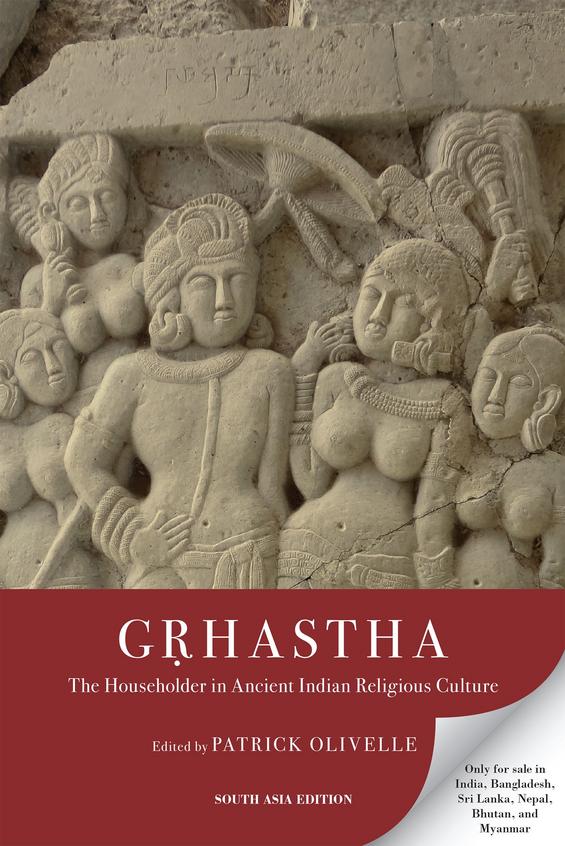
About the Book: G?hastha: The Householder in Ancient Indian Religious Culture
For scholars of ancient Indian religions, the wandering mendicants who left
home and family for a celibate life and the search for liberation represent an
enigma. The Vedic religion, centered on the married household, had no place for
such a figure. Much has been written about the Indian ascetic but hardly any
scholarly attention has been paid to the married householder with wife and
children, generally referred to in Sanskrit as g?hastha: "the stay-at-home." The
institution of the householder is viewed implicitly as posing little historical
problems with regard to its origin or meaning.This volume
- ISBN-13
- 9780190098889
- Language
- English
- Binding
- Hard Bound
- Publisher
- OUP USA
- Publishing Date
- 2019-08-19
- Total Pages
- 320
G?hastha: The Householder in Ancient Indian Religious Culture
Frequently bought together
 G?hastha: The Householder in Ancient Indian Religious Culture₹1101This item
 Maarikaadu₹63
 Natyamayuri₹63
Total for 3 items₹1227₹1435You save ₹208
Product Specifications
Book Summary
About the Book: G?hastha: The Householder in Ancient Indian Religious Culture
For scholars of ancient Indian religions, the wandering mendicants who left
home and family for a celibate life and the search for liberation represent an
enigma. The Vedic religion, centered on the married household, had no place for
such a figure. Much has been written about the Indian ascetic but hardly any
scholarly attention has been paid to the married householder with wife and
children, generally referred to in Sanskrit as g?hastha: "the stay-at-home." The
institution of the householder is viewed implicitly as posing little historical
problems with regard to its origin or meaning.This volume
Book Specifications
- ISBN-13
- 9780190098889
- Language
- English
- Binding
- Hard Bound
- Publisher
- OUP USA
- Publishing Date
- 2019-08-19
- Total Pages
- 320