
MRP: ₹25207
₹20495
₹ 4712 Off
(Incl. of all taxes)
Qty
Buying in bulk?
In stock
Deliver to
- 7-day returns
- Secure payment
- International shipping
- Carefully packed
Get this at ₹ 19470Extra 5% OffAdd items worth ₹999 to the cart & get extra 5% off
Get this at ₹ 18446Extra 10% OffAdd items worth ₹1499 to the cart & get extra 10% off
Book Summary
On the cutting edge of medical diagnostics, plasma proteomics promises to
generate a new wave of technologies to help identify many different diseases and
disease risks.
Plasma and serum are the preferred non-invasive specimens to test normal
individuals, at-risk groups, and patients for protein biomarkers discovered and
validated to reflect physiological, pathological, and pharmacological
phenotypes. These specimens present enormous challenges due to extreme
complexity, huge dynamic range in protein concentrations, non-standardized
methods of sample processing, and intra- and inter-individual variation from
genetics, diet, smoking, hormones, and other sources. This book presents the
major findings from the collaborative Plasma Proteome Project organized by the
international Human Proteome Organization (HUPO). The chapters
- ISBN-13
- 9783527317578
- Language
- English
- Binding
- Hard Bound
- Publisher
- Wiley-VCH
- Publishing Date
- 2006-12-01
- Product Edition
- 1st Edition
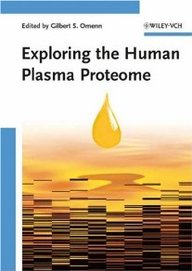
Exploring The Human Plasma Proteome
Frequently bought together


Total for 3 items₹20621₹25347You save ₹4726
Product Specifications
Book Summary
On the cutting edge of medical diagnostics, plasma proteomics promises to
generate a new wave of technologies to help identify many different diseases and
disease risks.
Plasma and serum are the preferred non-invasive specimens to test normal
individuals, at-risk groups, and patients for protein biomarkers discovered and
validated to reflect physiological, pathological, and pharmacological
phenotypes. These specimens present enormous challenges due to extreme
complexity, huge dynamic range in protein concentrations, non-standardized
methods of sample processing, and intra- and inter-individual variation from
genetics, diet, smoking, hormones, and other sources. This book presents the
major findings from the collaborative Plasma Proteome Project organized by the
international Human Proteome Organization (HUPO). The chapters
Book Specifications
- ISBN-13
- 9783527317578
- Language
- English
- Binding
- Hard Bound
- Publisher
- Wiley-VCH
- Publishing Date
- 2006-12-01
- Product Edition
- 1st Edition