
MRP: ₹29085
₹23604
₹ 5481 Off
(Incl. of all taxes)
Qty
Buying in bulk?
In stock
Deliver to
- 7-day returns
- Secure payment
- International shipping
- Carefully packed
Get this at ₹ 22424Extra 5% OffAdd items worth ₹999 to the cart & get extra 5% off
Get this at ₹ 21244Extra 10% OffAdd items worth ₹1499 to the cart & get extra 10% off
Book Summary
Shoulder instability can result from a variety of causes--including bone loss,
lesions, and trauma, particularly repetitive motion injuries associated with
sports. This practical resource addresses the full scope of shoulder injury
diagnosis and management--from anatomy and natural history, to injury
classification and both surgical and nonsurgical management options.
- Emphasis on current controversies allows readers to weigh opposing viewpoints
and choose the best management strategy for first-time dislocators,
multi-directional shoulder instability, stabilization of injuries in a contact
athlete, management of SLAP tears, treatment of shoulder injuries in the
elderly, and more
- Multiple techniques are presented for key disorders allowing readers to select
the most appropriate management strategy for
- ISBN-13
- 9781451175585
- Language
- English
- Binding
- Hard Bound
- Publisher
- Lippincott Williams & Wilkins
- Publishing Date
- 2014-01-01
- Total Pages
- 304
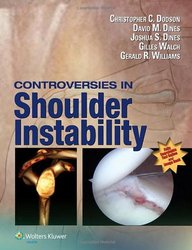
Controversies in Shoulder Surgery
by Christopher Dodson MD, David Dines MD, Joshua Dines, Gilles Walch MD, Gerald R. Williams (Author),
Lippincott Williams & Wilkins (Publisher)
fictionfantasyyoung adultaward winning
Frequently bought together


Total for 3 items₹23730₹29225You save ₹5495
Product Specifications
Book Summary
Shoulder instability can result from a variety of causes--including bone loss,
lesions, and trauma, particularly repetitive motion injuries associated with
sports. This practical resource addresses the full scope of shoulder injury
diagnosis and management--from anatomy and natural history, to injury
classification and both surgical and nonsurgical management options.
- Emphasis on current controversies allows readers to weigh opposing viewpoints
and choose the best management strategy for first-time dislocators,
multi-directional shoulder instability, stabilization of injuries in a contact
athlete, management of SLAP tears, treatment of shoulder injuries in the
elderly, and more
- Multiple techniques are presented for key disorders allowing readers to select
the most appropriate management strategy for
Book Specifications
- ISBN-13
- 9781451175585
- Language
- English
- Binding
- Hard Bound
- Publisher
- Lippincott Williams & Wilkins
- Publishing Date
- 2014-01-01
- Total Pages
- 304