
₹13481
₹16456
(18% Off)
Inclusive of all taxes
Qty
Buying in bulk?

In Stock

Guaranteed Service

Free Home Delivery
above ₹199
Check Delivery
Enter pincode for exact delivery dates / charges and to know if express delivery is available
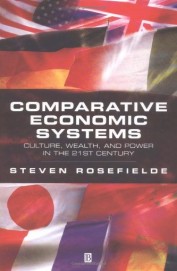
Comparative Economic Systems - Culture Wealth & Power In The 21st Century
by Steven Rosefielde (Author),
Blackwell Science Ltd (Publisher)
Product Specifications
Book Description
"
Comparative Economic Systems: Culture, Wealth and Power in the 21st Century"
explains how culture, in various guises, modifies the standard rules of economic
engagement, creating systems that differ markedly from those predicted by the
theory of general market competition. This analysis is grounded in established
principles, but also assumes that individual utility seeking may be culturally
determined, that political goals may take precedence over public well being, and
that business misconduct may be socially detrimental.
Book Specifications
ISBN-13 9780631229612
Language English
Binding Hard Bound
Publisher Blackwell Science Ltd
Publishing Date 2002-04-29
Product Edition 1