
MRP: ₹4894
₹3747
₹ 1147 Off
(Incl. of all taxes)
In stock
Deliver to
Enter your pincode to see dispatch dates
Free delivery above ₹199
Qty
- Secure payment
- International shipping
- Carefully packed
Book Summary
In The Color of Opportunity, Haya Stier and Marta Tienda ask: How do race and
ethnicity limit opportunity in post-civil rights Chicago? In the 1960s, Chicago
was a focal point of civil rights activities. But in the 1980s it served as the
laboratory for ideas about the emergence and social consequences of concentrated
urban poverty; many experts such as William J. Wilson downplayed the
significance of race as a cause of concentrated poverty, emphasizing instead
structural causes that called for change in employment policy. But in this new
study, Stier and Tienda ask about the pervasive poverty, unemployment, and
reliance on welfare among blacks and Hispanics in
- ISBN-13
- 9780226774206
- Language
- English
- Binding
- Hard Bound
- Publisher
- University Of Chicago Press
- Publishing Date
- 2001-02-15
- Product Edition
- 1
- Total Pages
- 264
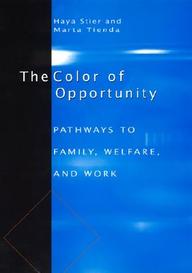
The Color Of Opportunity: Pathways To Family, Welfare, And Work
Book Summary
In The Color of Opportunity, Haya Stier and Marta Tienda ask: How do race and
ethnicity limit opportunity in post-civil rights Chicago? In the 1960s, Chicago
was a focal point of civil rights activities. But in the 1980s it served as the
laboratory for ideas about the emergence and social consequences of concentrated
urban poverty; many experts such as William J. Wilson downplayed the
significance of race as a cause of concentrated poverty, emphasizing instead
structural causes that called for change in employment policy. But in this new
study, Stier and Tienda ask about the pervasive poverty, unemployment, and
reliance on welfare among blacks and Hispanics in
Book Specifications
- ISBN-13
- 9780226774206
- Language
- English
- Binding
- Hard Bound
- Publisher
- University Of Chicago Press
- Publishing Date
- 2001-02-15
- Product Edition
- 1
- Total Pages
- 264