
MRP: ₹995
₹831
₹ 164 Off
(Incl. of all taxes)
In stock
Deliver to
Enter your pincode to see dispatch dates
Free delivery above ₹199
Qty
- Secure payment
- International shipping
- Carefully packed
Book Summary
In India in recent years, civil service training has acquired increasing
recognition, not only as a strategy for achieving organizational goals, but also
as an important means of inducing, even sustaining, change. As a result, there
is a growing realization among political leadership and administrators that
training is also a major tool for effective administration. Indeed, as the pace
of all-around change increases, the need for thoughtfully planned and designed
training becomes more evident. There is also much talk about the need to develop
- through training and related measures - appropriate competencies among each
individual working in India's government. Such competencies should be both
generic and general,
- ISBN-13
- 9788131604045
- Language
- English
- Binding
- Hard Bound
- Publisher
- Rawat Publishers & Distributors
- Publishing Date
- 2011-11-15
- Product Edition
- 1
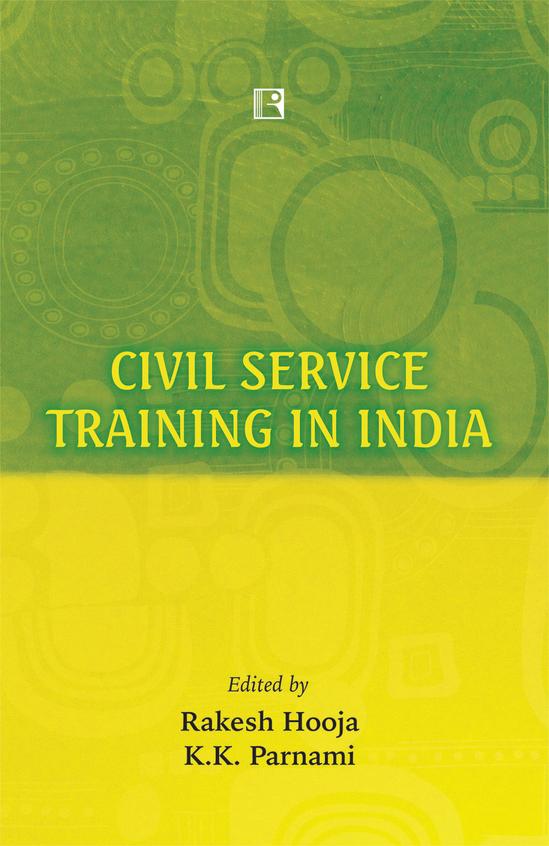
Civil Service Training In India
Book Summary
In India in recent years, civil service training has acquired increasing
recognition, not only as a strategy for achieving organizational goals, but also
as an important means of inducing, even sustaining, change. As a result, there
is a growing realization among political leadership and administrators that
training is also a major tool for effective administration. Indeed, as the pace
of all-around change increases, the need for thoughtfully planned and designed
training becomes more evident. There is also much talk about the need to develop
- through training and related measures - appropriate competencies among each
individual working in India's government. Such competencies should be both
generic and general,
Book Specifications
- ISBN-13
- 9788131604045
- Language
- English
- Binding
- Hard Bound
- Publisher
- Rawat Publishers & Distributors
- Publishing Date
- 2011-11-15
- Product Edition
- 1