
₹7785
₹10068
(23% Off)
Inclusive of all taxes
Qty
Buying in bulk?

In Stock

Guaranteed Service

Free Home Delivery
above ₹199
Check Delivery
Enter pincode for exact delivery dates / charges and to know if express delivery is available
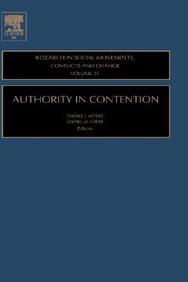
Authority In Contention, Volume 25 (Research In Social Movements, Conflicts And Change)
Emerald Group Publishing Limited (Publisher)
Product Specifications
Book Description
Social movement theorizing has been invigorated in recent years by the
contentious politics approach to studying political protest activity. In 2002, a
conference sponsored by the Collective Behavior and Social Movements Section of
the American Sociological Association was held at the University of Notre Dame
to consider this development in the field. But the conference organizers also
wanted to consider more broadly social movement research and theorizing. This
means moving beyond a state-centered view of contentious politics and toward a
more open definition of what phenonmena areis fruitfully examined by social
movement theories, and in turn, what empirical situations can inform theory.
This volume is the fruit
Book Specifications
ISBN-13 9780762310371
Language English
Binding Hard Bound
Publisher Emerald Group Publishing Limited
Publishing Date 2004-12-21
Product Edition HRD
Total Pages 227