
MRP: ₹1695
₹1548
₹ 147 Off
(Incl. of all taxes)
In stock
Deliver to
Enter your pincode to see dispatch dates
Free delivery above ₹199
Qty
- Secure payment
- International shipping
- Carefully packed
Book Summary
Asia will redraw the map of economic progress over the next twenty-five years.
Growth is necessary to solve economic and social problems, but harder to achieve
as the age of plenty gives way to the age of scarcities. The challenge opens the
door for an Asian economic model based on shifting of productivity from the
individual to groups, ecological productivity instead of economic productivity,
and a reversal to traditional Asian Values-less materialistic than Western
values. A new paradigm for economic thinking emerges to replace the one launched
in the West 200 years ago.
About the Author
Jorgen Orstrom Moller, spent 38 years in the Royal Danish Diplomatic Service.
From
- ISBN-13
- 9788192102337
- Language
- English
- Binding
- Hard Bound
- Publisher
- Synergy Books India / Bookwell Pub
- Publishing Date
- 2011
- Product Edition
- 1
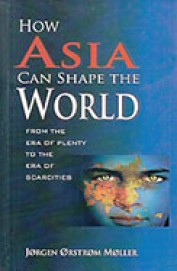
How Asia Can Shape The World
Book Summary
Asia will redraw the map of economic progress over the next twenty-five years.
Growth is necessary to solve economic and social problems, but harder to achieve
as the age of plenty gives way to the age of scarcities. The challenge opens the
door for an Asian economic model based on shifting of productivity from the
individual to groups, ecological productivity instead of economic productivity,
and a reversal to traditional Asian Values-less materialistic than Western
values. A new paradigm for economic thinking emerges to replace the one launched
in the West 200 years ago.
About the Author
Jorgen Orstrom Moller, spent 38 years in the Royal Danish Diplomatic Service.
From
Book Specifications
- ISBN-13
- 9788192102337
- Language
- English
- Binding
- Hard Bound
- Publisher
- Synergy Books India / Bookwell Pub
- Publishing Date
- 2011
- Product Edition
- 1