
MRP: ₹199
₹189
₹ 10 Off
(Incl. of all taxes)
Qty
Buying in bulk?
In stock
Deliver to
- 7-day returns
- Secure payment
- International shipping
- Carefully packed
Get this at ₹ 180Extra 5% OffAdd items worth ₹999 to the cart & get extra 5% off
Get this at ₹ 170Extra 10% OffAdd items worth ₹1499 to the cart & get extra 10% off
Book Summary
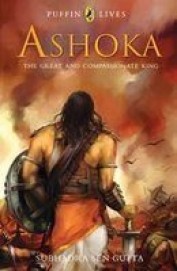
Ashoka the Great, the ruler of ancient India’s largest kingdom, took the path of
peace, tolerance, non-violence and compassion after a fierce battle in Kalinga.
He now addressed his subjects as a father would his children, and erected
pillars that spread his thoughts throughout the land in the people’s own
language. He put their welfare above all else and worked towards that for the
rest of his life. One of the most well-known symbols from India’s history, the
Ashoka chakra, now adorns India’s national flag, and the lion capital from his
pillars is our national emblem.
In this lively, engrossing account of Ashoka’s life and the times,
- ISBN-13
- 9780143330806
- Language
- English
- Binding
- Paper Back
- Publisher
- Penguin India
- Publishing Date
- 2009
- Product Edition
- 1
Ashoka : The Great And Compassionate King
Frequently bought together
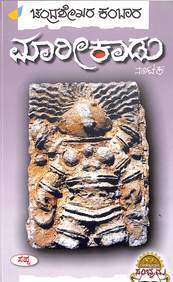
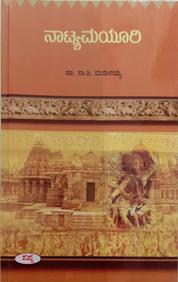
Total for 3 items₹315₹339You save ₹24
Product Specifications
Book Summary
Ashoka the Great, the ruler of ancient India’s largest kingdom, took the path of
peace, tolerance, non-violence and compassion after a fierce battle in Kalinga.
He now addressed his subjects as a father would his children, and erected
pillars that spread his thoughts throughout the land in the people’s own
language. He put their welfare above all else and worked towards that for the
rest of his life. One of the most well-known symbols from India’s history, the
Ashoka chakra, now adorns India’s national flag, and the lion capital from his
pillars is our national emblem.
In this lively, engrossing account of Ashoka’s life and the times,
Book Specifications
- ISBN-13
- 9780143330806
- Language
- English
- Binding
- Paper Back
- Publisher
- Penguin India
- Publishing Date
- 2009
- Product Edition
- 1