
MRP: ₹350
₹304
₹ 46 Off
(Incl. of all taxes)
In stock
Deliver to
Enter your pincode to see dispatch dates
Free delivery above ₹199
Qty
- Secure payment
- International shipping
- Carefully packed
Book Summary
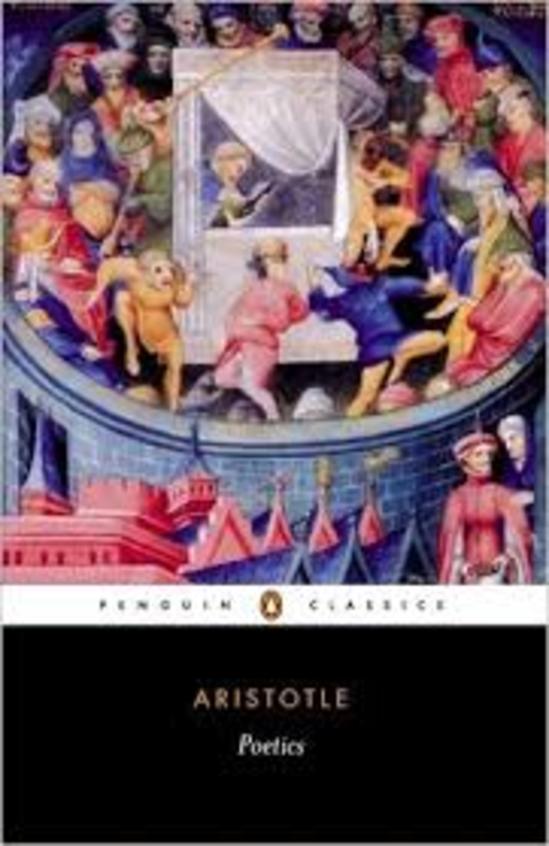
About the Book: Aristotle Poetics-Penguin Classics
Essential reading for all students of Greek theatre and literature,
Aristotles"Poetics" remains equally stimulating for anyone interested in
literature. This"Penguin Classics" edition is translated with an introduction
and notes by Malcolm Heath. In his near-contemporary account of classical Greek
tragedy, Aristotle examine the dramatic elements of plot, character, language
and spectacle that combine to produce pity and fear in the audience, and asks
why we derive pleasure from this apparently painful process. Taking examples
from the plays of"Aeschylus","Sophocles" and"Euripides", the"Poetics" introduced
into literary criticism such central concepts as mimesis (imitation), hamartia
(error) and katharsis, which have informed serious thinking about drama ever
since. Aristotle
- ISBN-13
- 9780140446364
- Language
- English
- Binding
- Paper Back
- Publisher
- Penguin India
- Publishing Date
- 1997-03-01
- Product Edition
- 1
- Total Pages
- 144
Poetics
Book Summary
About the Book: Aristotle Poetics-Penguin Classics
Essential reading for all students of Greek theatre and literature,
Aristotles"Poetics" remains equally stimulating for anyone interested in
literature. This"Penguin Classics" edition is translated with an introduction
and notes by Malcolm Heath. In his near-contemporary account of classical Greek
tragedy, Aristotle examine the dramatic elements of plot, character, language
and spectacle that combine to produce pity and fear in the audience, and asks
why we derive pleasure from this apparently painful process. Taking examples
from the plays of"Aeschylus","Sophocles" and"Euripides", the"Poetics" introduced
into literary criticism such central concepts as mimesis (imitation), hamartia
(error) and katharsis, which have informed serious thinking about drama ever
since. Aristotle
Book Specifications
- ISBN-13
- 9780140446364
- Language
- English
- Binding
- Paper Back
- Publisher
- Penguin India
- Publishing Date
- 1997-03-01
- Product Edition
- 1
- Total Pages
- 144