
MRP: ₹395
₹334
₹ 61 Off
(Incl. of all taxes)
In stock
Deliver to
Enter your pincode to see dispatch dates
Free delivery above ₹199
Qty
- Secure payment
- International shipping
- Carefully packed
Book Summary
This inquiry is an undertaking to demonstrate that aesthetic experience in the
classical Indian tradition, on its own merit, without being subordinated to
rituals and practices commonly held under the rubric of religion, is capable of
providing a transcendent experience to a prepared aesthete. Dr. Dehejia examines
the dynamics of two aesthetics processes, that stemming from aesthetic emotion
or rasa and from aesthetic form or rupa, and cogently underpins them within the
advaitic epistemology of Kasmir Saivism. The Advaita of Art, Dr. Dehejia argues,
is a joyous celebration of affirmation and assertion and not negation.
- ISBN-13
- 9788120813892
- Language
- English
- Binding
- Paper Back
- Publisher
- Motilal Banarsidass Publishers Private Limited
- Publishing Date
- 1996-03
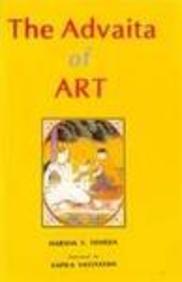
The Advaita of Art
Book Summary
This inquiry is an undertaking to demonstrate that aesthetic experience in the
classical Indian tradition, on its own merit, without being subordinated to
rituals and practices commonly held under the rubric of religion, is capable of
providing a transcendent experience to a prepared aesthete. Dr. Dehejia examines
the dynamics of two aesthetics processes, that stemming from aesthetic emotion
or rasa and from aesthetic form or rupa, and cogently underpins them within the
advaitic epistemology of Kasmir Saivism. The Advaita of Art, Dr. Dehejia argues,
is a joyous celebration of affirmation and assertion and not negation.
Book Specifications
- ISBN-13
- 9788120813892
- Language
- English
- Binding
- Paper Back
- Publisher
- Motilal Banarsidass Publishers Private Limited
- Publishing Date
- 1996-03